
OUR
PAKISTAN
PROJECTS
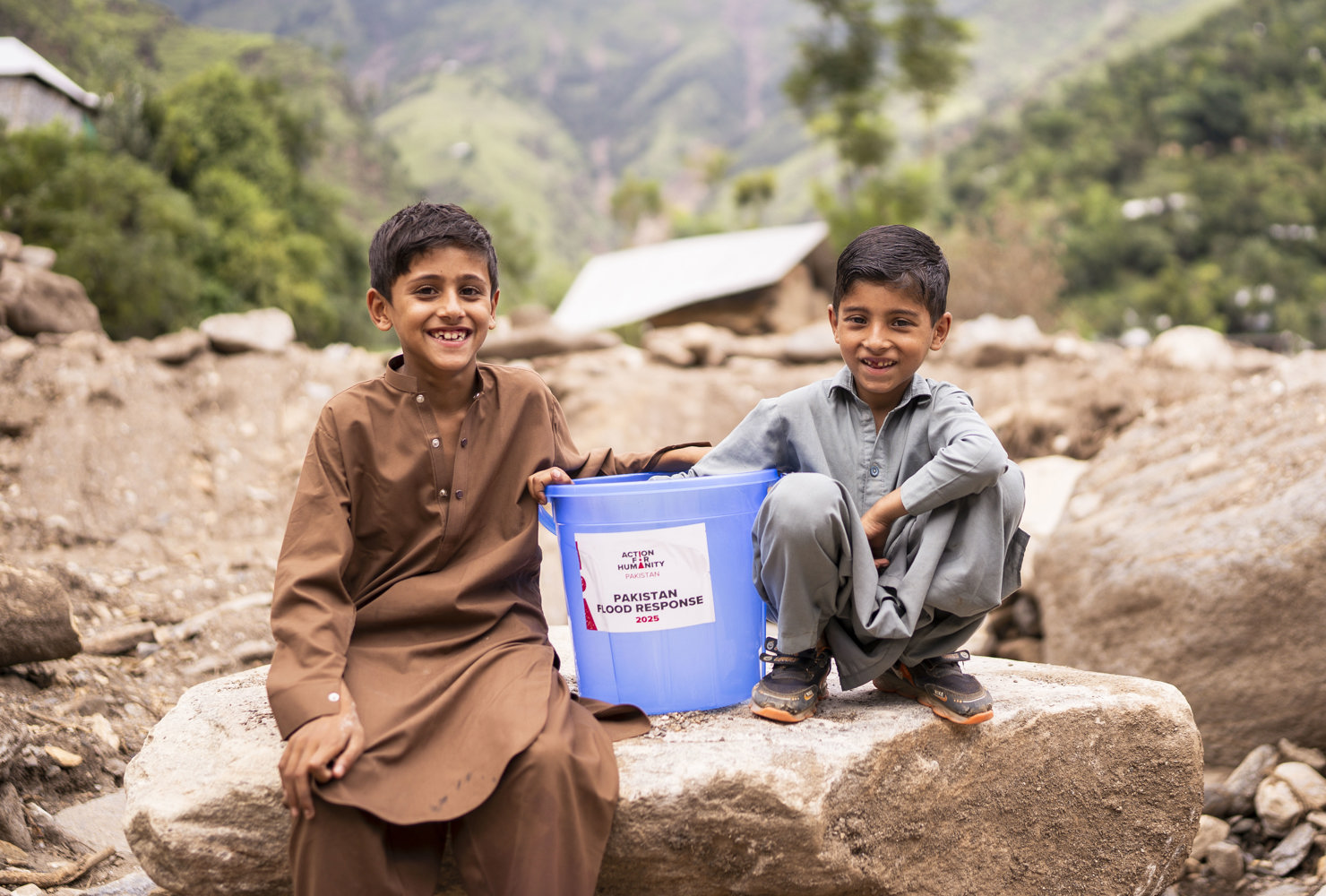
After devastating floods, millions across Pakistan are rebuilding their lives. We’re delivering urgent aid while supporting long-term recovery.
WHAT'S GOING ON?
Pakistan continues to face persistent challenges in water, sanitation, and hygiene (WASH), healthcare, and livelihoods, exacerbated by climate change, recurring disasters, and economic inequality. Action For Humanity works alongside communities across the country to meet these challenges through practical, people-centered programs that strengthen resilience and improve daily life.
We focus on better access to essential services, healthcare, safe water, sanitation, and livelihoods, while delivering timely humanitarian support through seasonal programs such as Ramadan, Qurbani, and winterization. All our work is shaped by community priorities and local context.
By combining locally led solutions with strong risk management and resilience-building approaches, we support communities in recovering, rebuilding, and moving forward with dignity—protecting and empowering those who are most vulnerable along the way.
YOUR IMPACT LAST RAMADAN
13K+
PEOPLE REACHED
From food parcels to water, medical aid to festive gifts, over 13,000 people received vital support this Ramadan, thanks to you.
5K+
CLEAN WATER
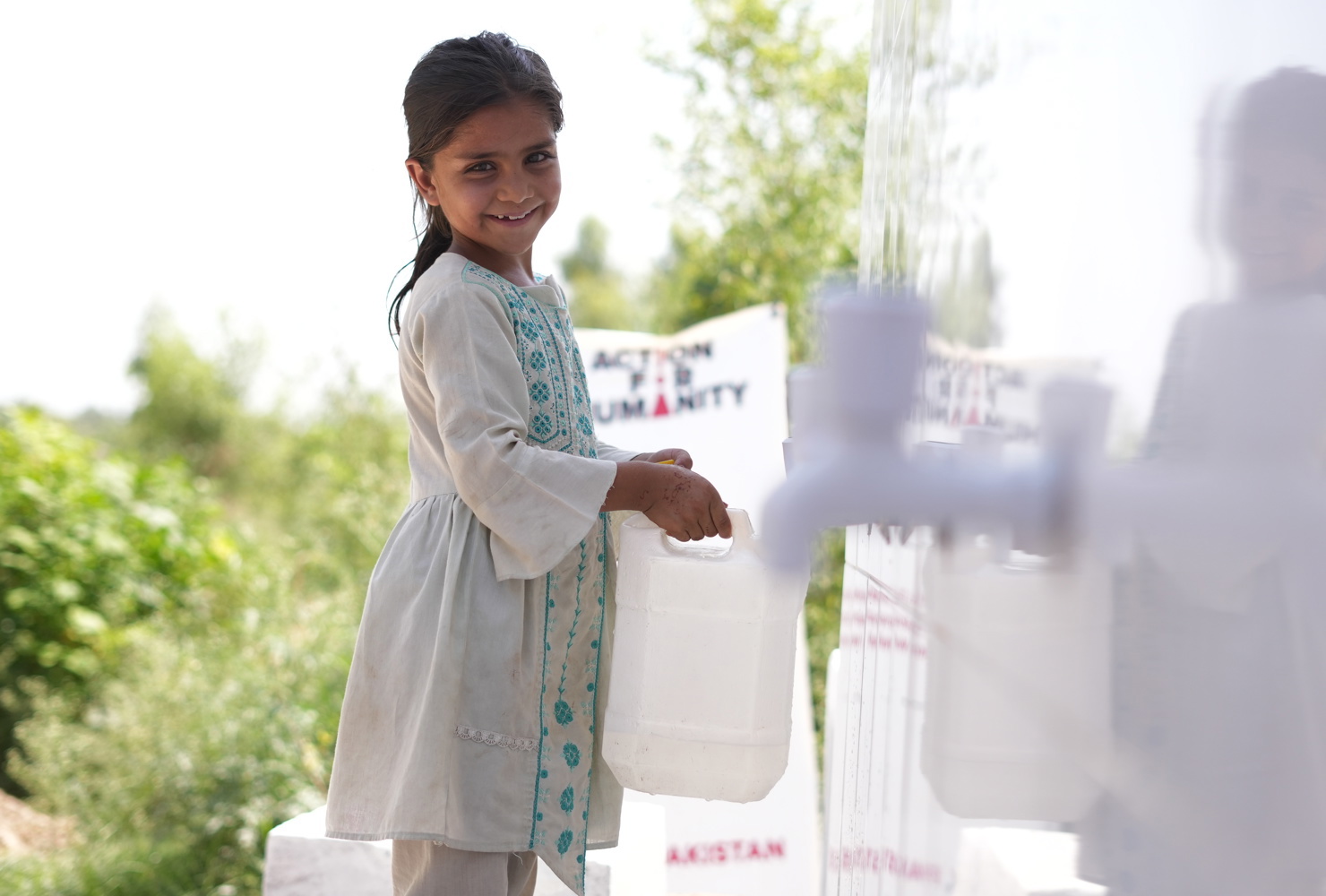
Six new water wells were constructed in flood-affected areas, providing safe, clean water to thousands.
1K+
EID GIFTS
Eid gifts brought smiles and a sense of celebration to over 1,000 children in some of Pakistan’s most underserved areas.

Safe Water Access in South Punjab
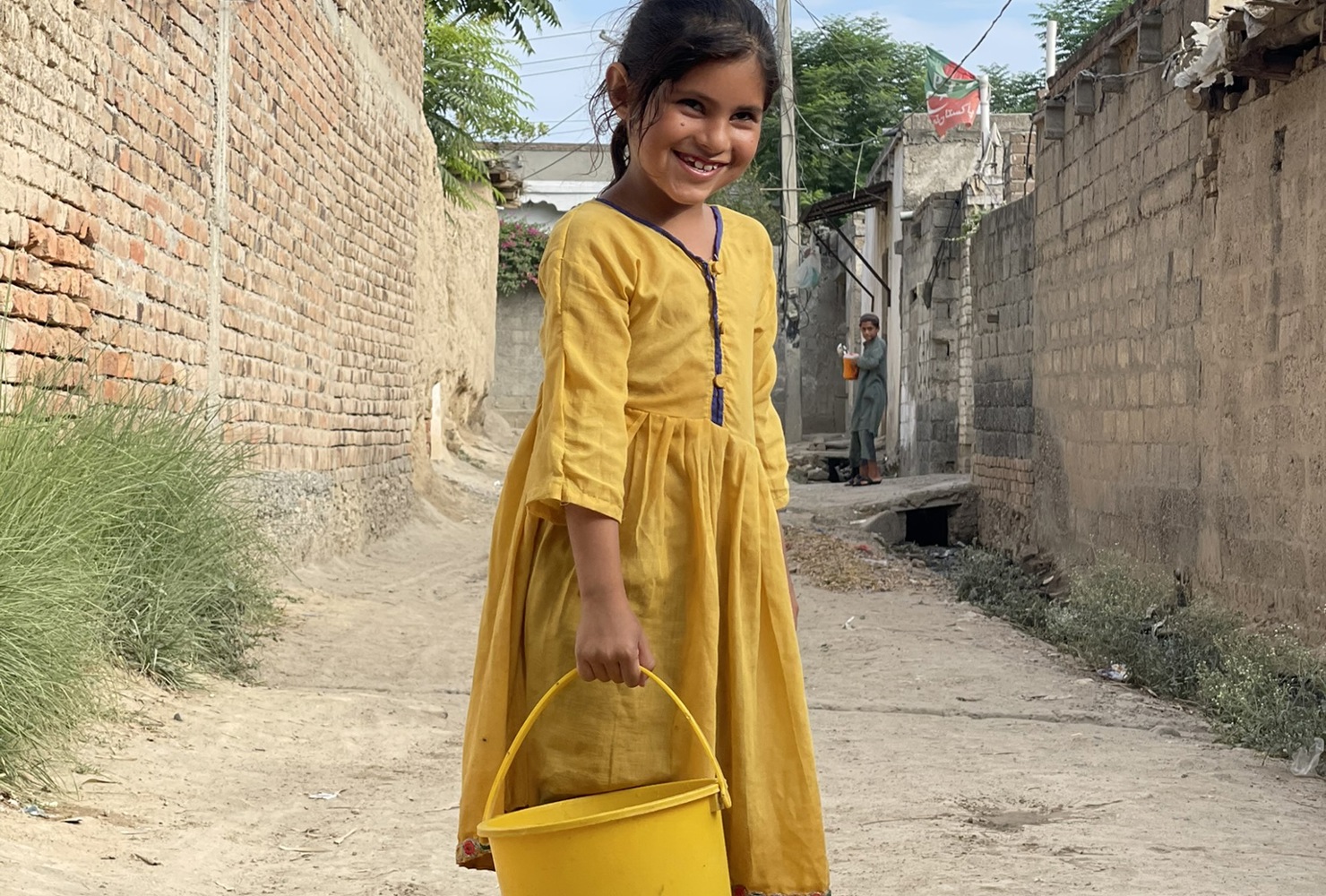
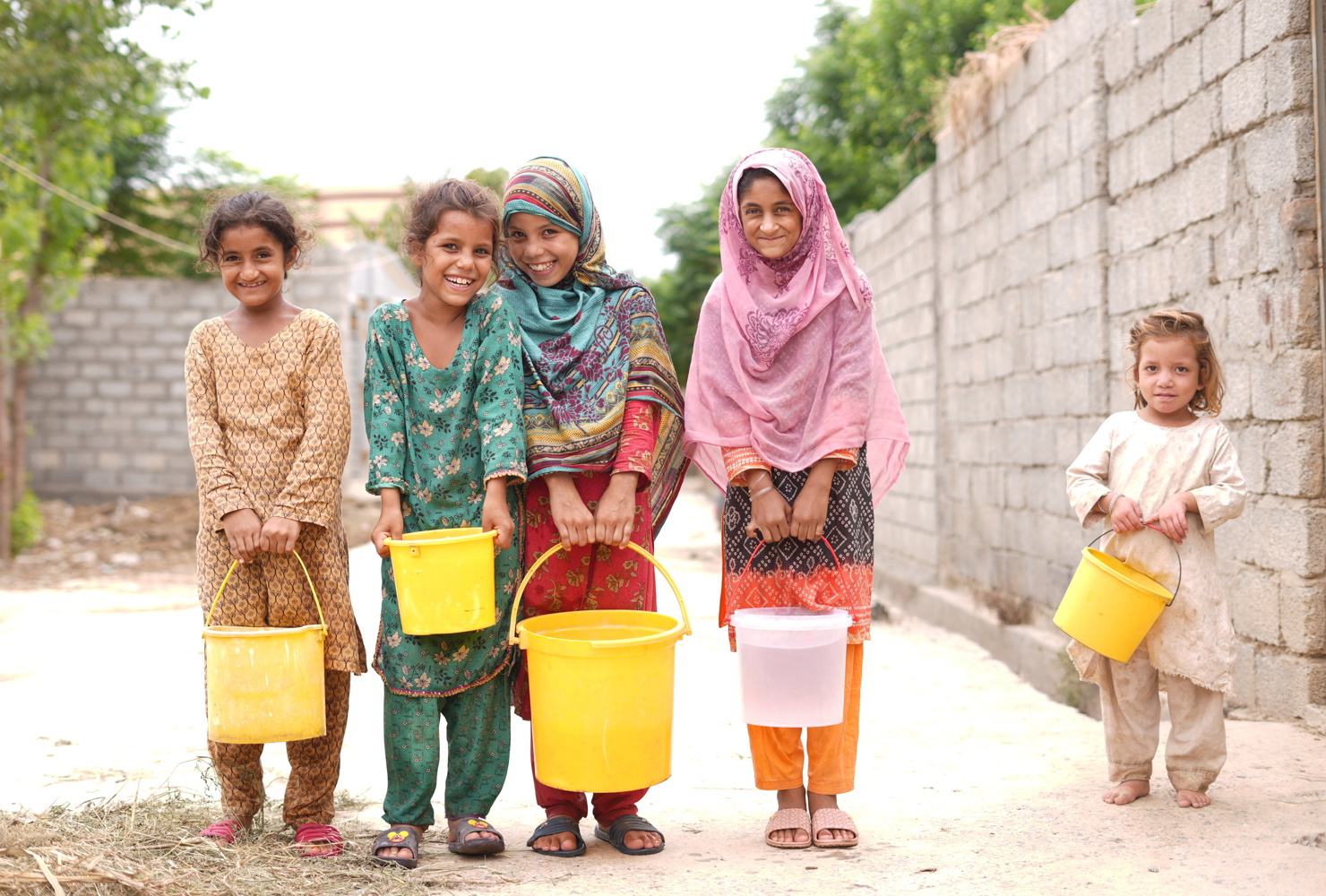
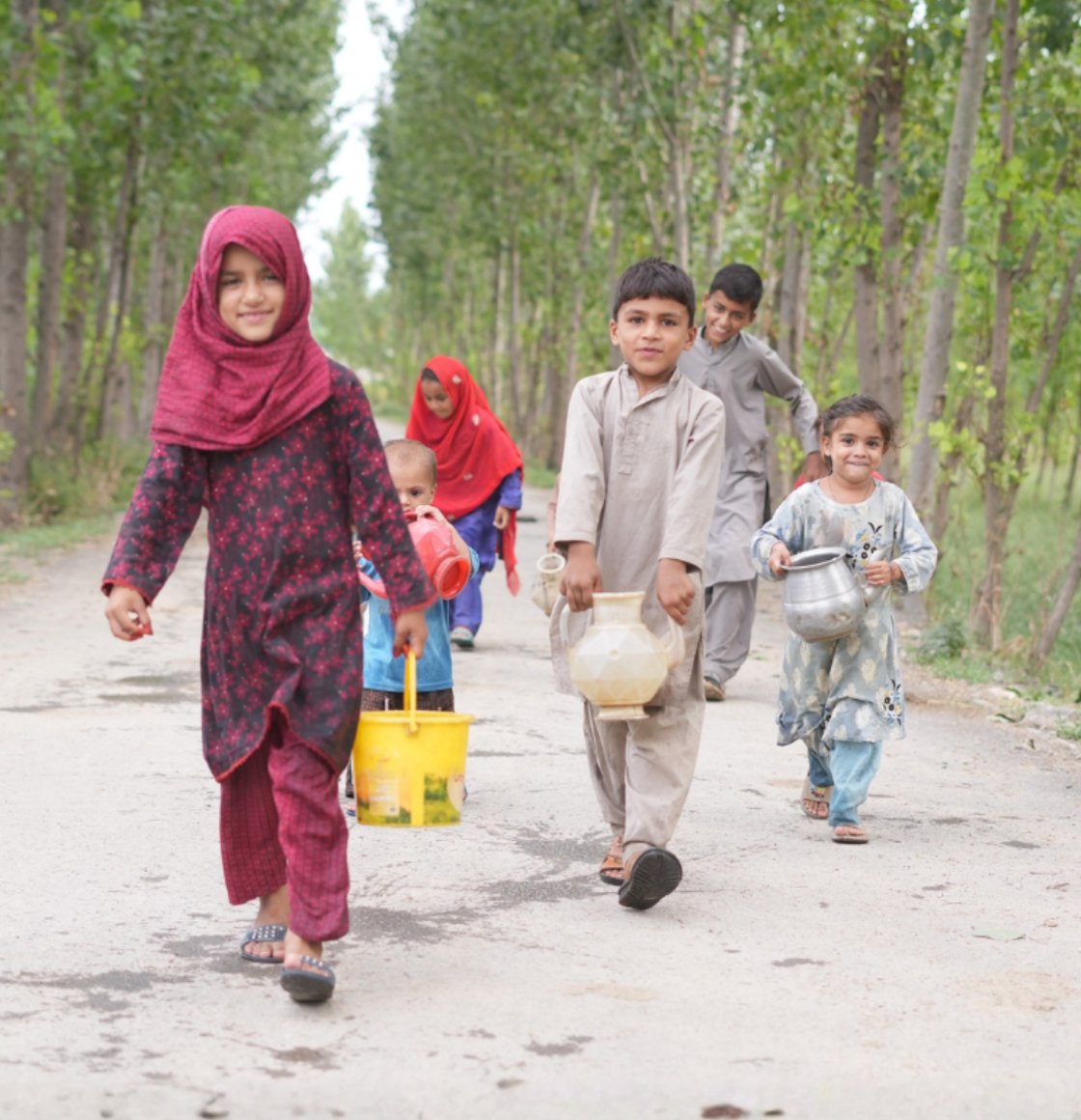
In South Punjab, Pakistan, limited access to safe drinking water forces women and children to travel long distances each day, exposing them to health risks, lost education opportunities, and protection concerns. Poor sanitation, waterborne diseases, and ageing infrastructure continue to drive malnutrition and illness across vulnerable communities, making reliable local water access essential for health and dignity.
Action For Humanity Pakistan is delivering a four-month project to install 7 solar-powered community water wells and 36 household and cluster hand pumps across three districts, reaching 1,899 people.
The intervention combines durable infrastructure with community oversight, including elevated storage tanks, night lighting for safety, and local water committees. Alongside installation, families will receive training on safe water use, storage, and basic maintenance. With surveys, beneficiary verification, and procurement already underway, the next phase will complete construction, deliver WASH training, and formally hand over the systems to communities to ensure long-term, sustainable access to clean water.
PAKISTAN SMART HOUSING
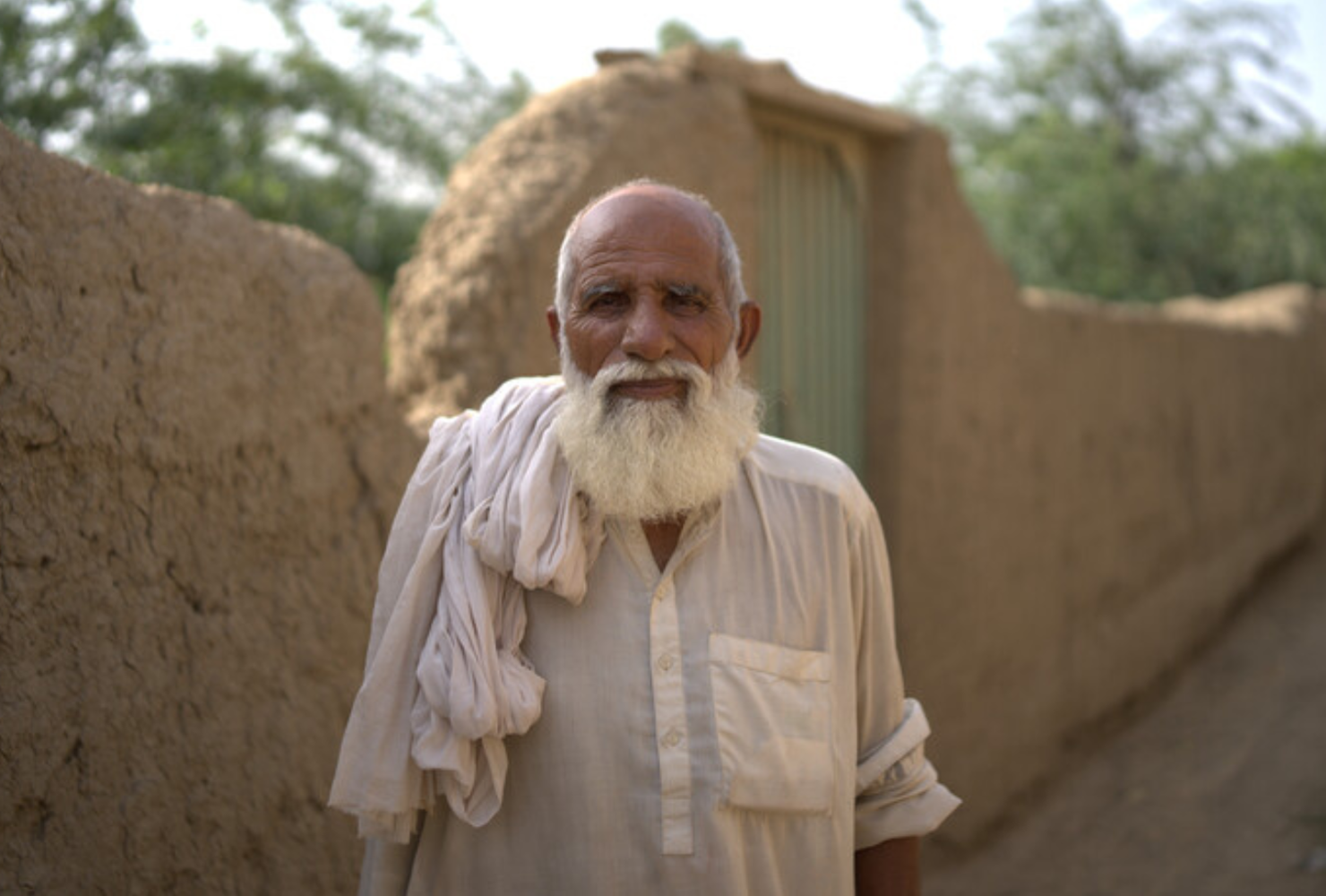
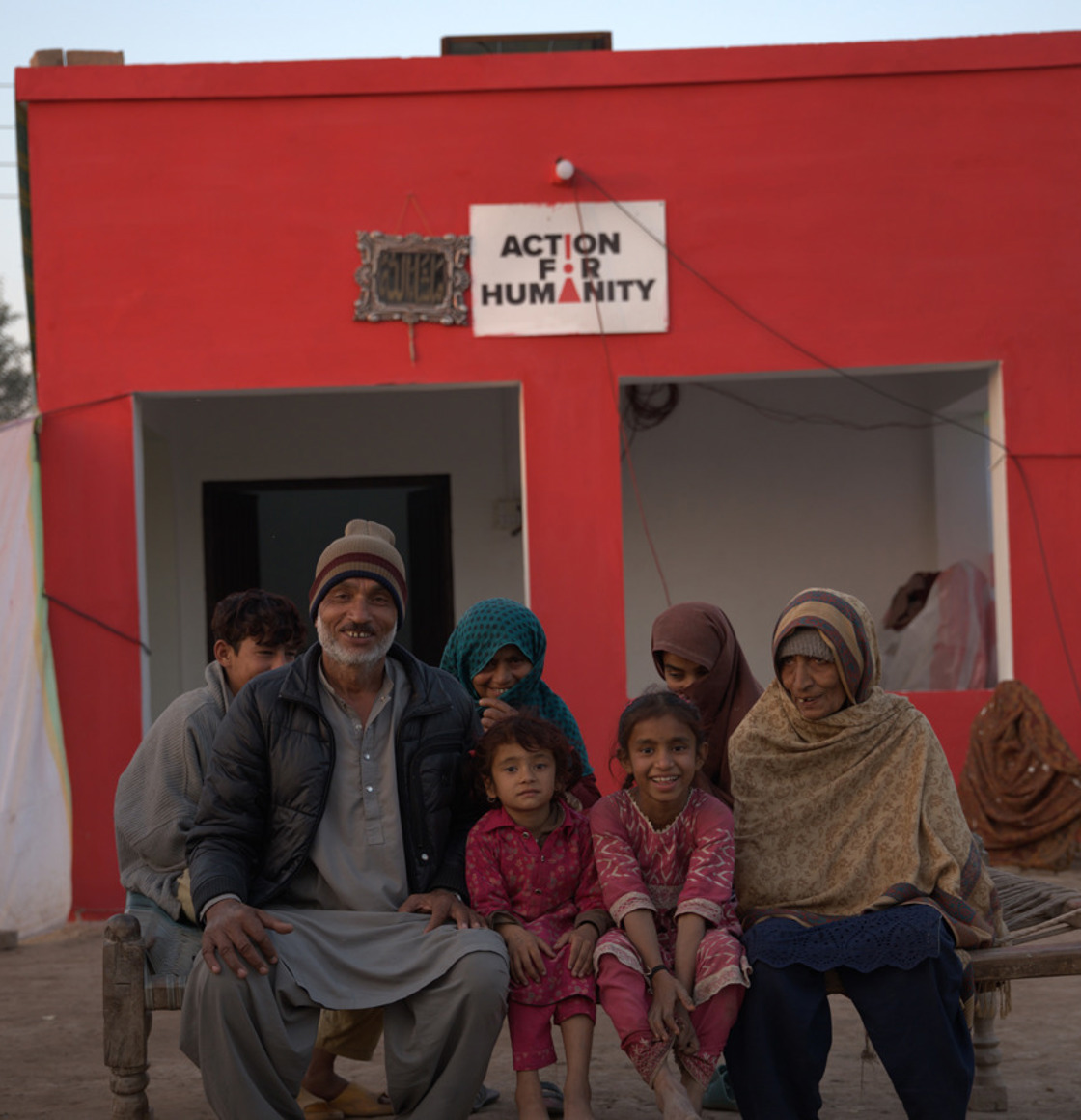
Much of rural Pakistan is still recovering from a series of devastating floods that have affected millions of people, damaged countless homes, and swept away entire communities.
In provinces such as Sindh and Balochistan, many families continue to live in fragile shelters made from tarpaulin, mud, or scrap materials, leaving them exposed to extreme heat and monsoon rains. As climate change threatens to bring even worse meteorological conditions in the years to come, poorer communities simply do not have the resources to adapt.
Through our Smart Housing Project, Action For Humanity is helping vulnerable families rebuild by constructing safe, durable homes designed to withstand harsh weather conditions. Working with local communities and partners to deliver sustainable housing solutions. A secure home provides more than shelter, it restores safety, dignity, and stability, giving families the foundation they need to rebuild their lives.
Cataract Surgeries in Sindh
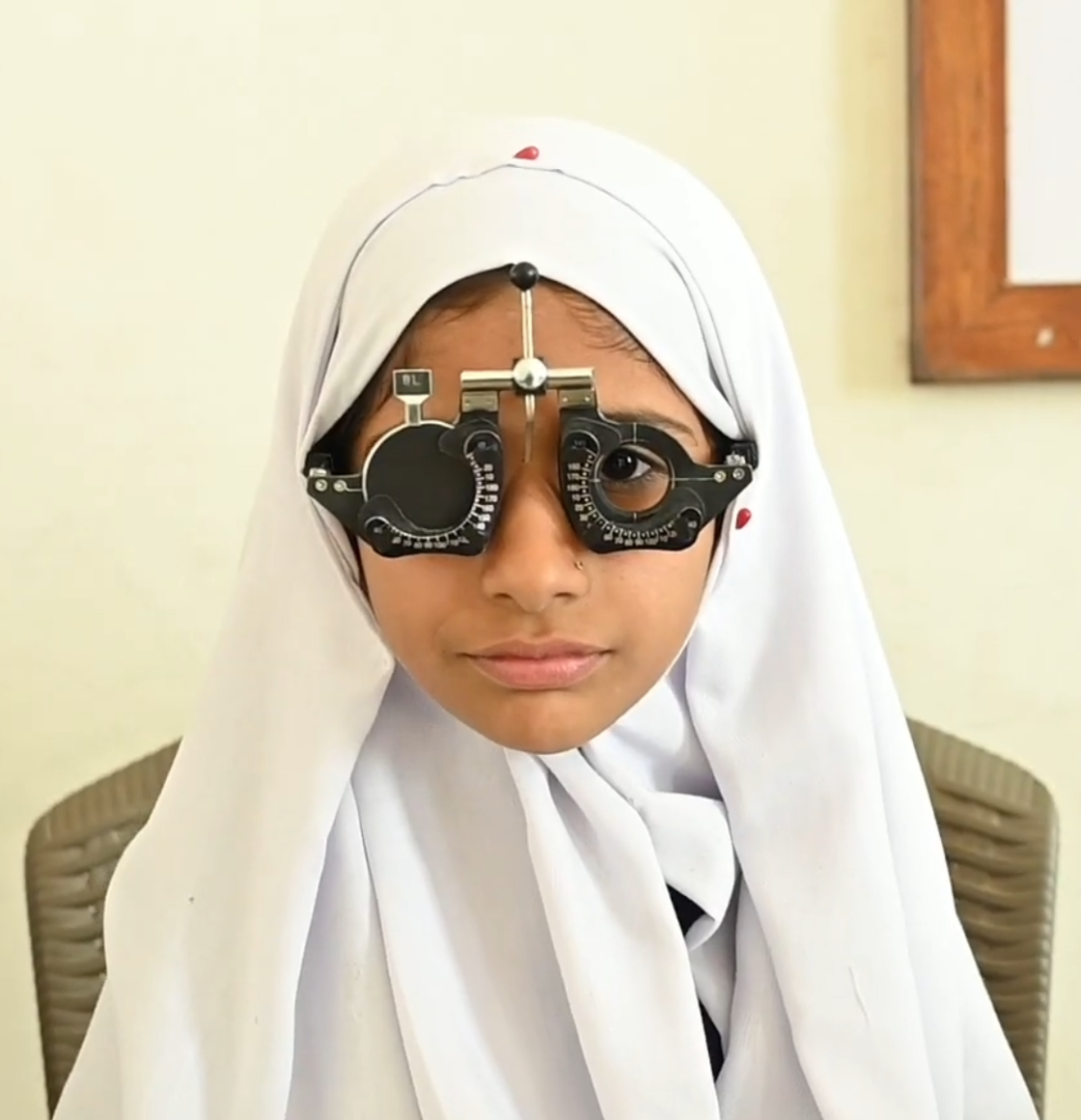
In Sindh, Pakistan, untreated cataracts are a leading cause of preventable blindness, depriving people in low-income and remote communities of independence, livelihoods, and dignity. For many, the cost of surgery and limited access to eye care services means living with avoidable vision loss, despite effective treatment being available.
Action For Humanity Pakistan is delivering the Cataract Surgeries Initiative II (CSI-2), a four-month project providing free eye screening, cataract surgeries, glasses, and essential medicines to the most vulnerable. Building on the success of 599 surgeries already completed in Sukkur and Karachi, the project will expand into Dadu and Thari Mirwah districts, screening over 800 people and restoring sight to at least 300 patients through surgery and post-operative care. Alongside direct treatment, the initiative strengthens local capacity by training healthcare staff and embedding services within ongoing pediatric eye care programs, ensuring lasting impact beyond the project's life.
frequently asked questions
How is AFH providing shelter support?
In response to the devastating floods, we launched a Non-Food Item (NFI) distribution project to provide essential household items for those affected. The project aimed to distribute items such as blankets, hygiene kits, and cooking utensils to those in need.
We're also launching a shelter construction project to provide safe and secure homes for families affected by floods. In phase one, we will be constructing 20 one room houses with a kitchen, toilet, and open space protected with a boundary wall in the affected area.
These shelters will not only provide a roof over their heads, but they will also give families the stability they need to rebuild their lives. We will also be installing solar water pumps to ensure that they have access to clean water.
How is AFH providing health services?
We provided basic health services to vulnerable displaced people during the emergency. This comprised mobile clinics in flood-affected, rural areas and primary healthcare services such as vaccinations, treatment for waterborne diseases, and maternal and child health services.
We have also distributed essential medicines and medical supplies to local health facilities, ensuring that they have the necessary resources to provide quality care to affected populations.
Our health interventions have had a significant impact on the lives of affected communities, who would not have otherwise had access to vital medical care. We have treated almost 6,000 patients, prevented the spread of disease, and helped to improve the overall health and well-being of people affected by the floods.
How is AFH providing access to clean water?
In the aftermath of the floods, AFH worked tirelessly to provide clean water, sanitation, and hygiene (WASH) services to affected communities. We installed water filtration systems and hand pump wells in flood-affected areas, ensuring access to safe drinking water for over 12,000 people.
Additionally, we have constructed latrines and showers in camps for internally displaced persons and have provided hygiene kits containing essential items such as soap and sanitary pads.